
Safety Precautions for Collecting Asbestos Samples at Home
How to safely collect an asbestos sample at home: shut off the HVAC, wet the material, wear a P100 respirator, double-bag a coin-sized piece.
Last updated:
Before you collect an asbestos sample at home, shut off your HVAC system and fans, lightly mist the material with water mixed with a few drops of dish soap, put on a P100 respirator and disposable gloves, then cut a small piece, seal it in a double bag, and wipe the area with a damp cloth instead of vacuuming. Those steps keep loose fibers from going airborne, which is the only real danger during sampling.
That is the short version. The longer version matters because the wrong move, like dry-scraping a ceiling or running a shop vacuum over the dust, can release thousands of fibers into the air you breathe for hours afterward. Here is how to take a sample the safe way, and how to recognize the materials you should never touch yourself.
Is It Safe to Collect an Asbestos Sample Yourself?
For intact, non-friable material in good condition, a careful homeowner can take a small sample with the right precautions. The EPA still recommends that a trained and accredited asbestos professional collect samples, because they know what to look for and there is less chance of releasing fibers. That recommendation exists for a reason, not to sell you a service.
Sampling is reasonably safe when all three of these are true:
- The material is solid and undamaged (a hard floor tile, a firm sheet of cement siding, an unbroken stretch of popcorn ceiling).
- You can fully isolate the room and shut off air movement.
- You only need one or two small samples from an easy-to-reach spot.
If any of those are not true, skip the DIY route. The risk is not the asbestos sitting in the wall. The risk is the fibers you free when you disturb it.
The Safe Sampling Procedure, Step by Step
Work slowly and do one sample at a time. The whole point is to disturb as little material as possible.
- Clear the room. Send people and pets out and close the door. Plan to keep the room empty for a few hours afterward.
- Shut off airflow. Turn off your furnace, air conditioner, and any fans. Moving air is what carries fibers around the house.
- Lay down protection. Put a sheet of plastic on the floor under the sampling spot to catch any debris.
- Wet the material first. Lightly mist it with water plus a few drops of dish soap. OSHA calls this amended water and requires wet methods precisely because wetting stops fibers from becoming airborne. Do not soak it, just dampen the surface.
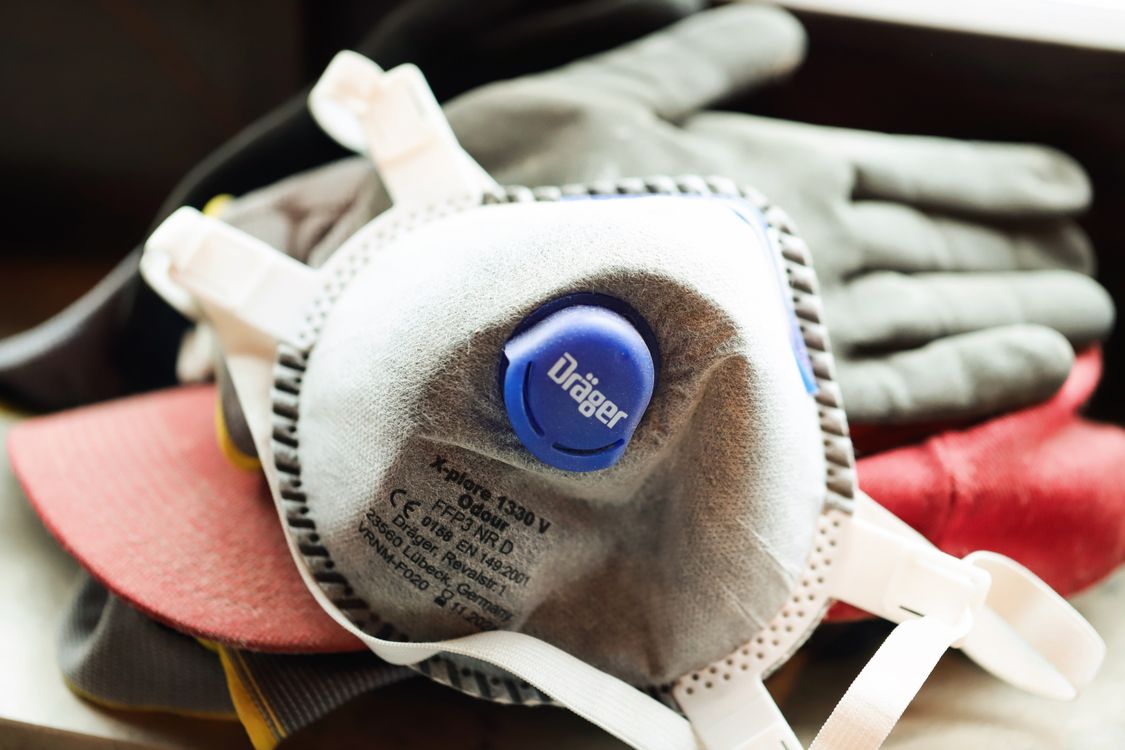
- Wear real protection. Use a P100 (or N100) respirator, not a paper dust mask, plus disposable gloves. Disposable coveralls are a smart add.
- Take a small sample. A piece the size of a coin is plenty for the lab. Cut or break off the smallest amount you can into a sealable container or zip bag.
- Double bag it. Seal the sample in one bag, then place that bag inside a second one. Label it with the location and date.
- Seal the spot. Cover the sampled area with tape, spray encapsulant, or paint so the exposed edge cannot shed fibers.
- Wet-wipe, never vacuum. Wipe the area and the plastic with a damp paper towel. The EPA's safe work practices call for wet-wiping and discarding the cloths as asbestos waste while they are still wet. A regular vacuum will blow fine fibers right through its filter and out the exhaust.
- Bag your waste. Put the gloves, wipes, and plastic into a labeled, leak-tight bag, then wash your hands and any exposed skin.
Materials You Should Never Sample Yourself
Some materials are friable, meaning they crumble under light hand pressure and release fibers very easily. OSHA treats friable material as the highest-risk category for exactly this reason. Do not DIY-sample any of these:
- Pipe and boiler insulation (the chalky white wrap on old heating pipes). See the pipe insulation guide for what it looks like.
- Vermiculite or Zonolite attic insulation (loose pebble-like fill). Most of it traces back to a contaminated mine, so it is high risk. See the vermiculite guide.
- Sprayed-on fireproofing or acoustic coatings that are powdery or flaking.
- Any material that is already crumbling, water-damaged, or falling apart.
For these, disturbing the surface at all is the hazard. A professional uses containment, negative-air equipment, and a HEPA-filtered vacuum that a homeowner does not have.
When to Stop and Call a Professional
Stop and hire an accredited inspector if any of the following apply:
- The material is damaged, deteriorating, or you cannot avoid breaking it to sample it.
- The area is large, or the material is overhead and hard to reach safely.
- You cannot shut off the HVAC or fully close off the room.
- Someone in the home is pregnant, or young children live there.
- You rent, or live in a condo where disturbing shared materials may be restricted.
- You simply are not confident. That is a valid reason on its own.
A professional inspection typically runs a few hundred dollars and removes all of the airborne risk from the equation.
The Safer First Step Before Any Sampling
The cheapest and safest first move is usually a mail-in test kit or a professional inspection, not a tool run to the hardware store. A good kit ships with sealed sampling supplies and instructions, and the lab uses polarized-light microscopy to confirm whether fibers are present. Read how to test safely to see the full process, then compare your options on the test kit page.
If your material is solid and you follow the steps above, sampling at home is manageable. If it is friable or damaged, let a pro handle it. Either way, confirm with a lab before you sand, drill, or tear anything out.
Common Questions
Do I really need a respirator for just one sample? Yes. A single disturbance can release fibers, and a paper dust mask does not filter them. A P100 respirator is inexpensive and the right tool.
Can I vacuum up the dust when I am done? No. A household vacuum spreads fine fibers through its exhaust. Wet-wipe the area instead and bag the cloths as waste while they are still damp.
How much material does the lab need? A piece about the size of a coin is enough. Taking more only increases the dust you create, so keep the sample small.